There is a new addition to the Digest from this edition. There's a dedicated self-hosting section. Actually, it's a re-entry, as there used to be such a section earlier. Self-hosting is gaining even more popularity.
Docker compose has made things easier and then the privacy concern has made people aware. And thus the dedicated self-host section is back. Even if you do not self-host, at least you can discover some cool new tool.
Know your file before you open it
Everything is a file in Linux and you'd be surprised how much a file will tell you before you even open it. The trick is knowing which command to ask.
Start with the file command. It ignores the extension entirely and reads the actual contents to tell you what something really is. That download with no extension, or the .txt that's secretly a JPEG? Just run file on it:
file mysterious-fileOnce you know what it is, stat fills in everything else: exact size, owner, permissions, and three separate timestamps for when the file was last read, when its contents changed, and when its metadata was last touched. Think of it as ls -l but for a specific file and with more details.
Then there's realpath, for when you're not even sure where the file is located. That's why the name "real path". It resolves every symlink and those .. in the path and gives you the real location of the file. Handy when you're inside a symlinked directory and a script keeps writing to the "wrong" place.
And if a file won't budge with a "resource busy" error, lsof shows you exactly which process is holding it open, so you know what to stop before trying again.
💡Quick terminal tip
The namei command breaks down a file path component by component to display the permissions of every ancestor directory.
namei -l </home/linuxhandbook/Projects/scripts.sh>
The above command will show the permission of each item in the path in a compact list.
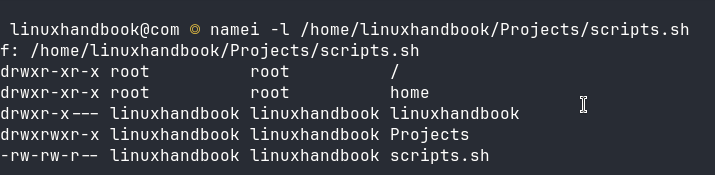
This is especially useful when resolving unexplained "Permission Denied" errors where a file is readable, but a parent directory lacks execute (+x) access.
🎓 Make your Linux skills official

Either you are an expert or you are learning. But a certification is how you prove your skill to someone who's hiring.
Linux Foundation, the official organization behind the Linux project, offers numerous certification and training exams that hold value in the job market.
Their back-to-school sale is running until September 22. The LFCS, their Certified System Administrator exam, is the obvious pick if Linux is your day job. Bundle it with the LFS207 course and the price drops from $645 to $387.
Going for the more lucrative Kubernetes and DevOps instead? The CKA course-and-exam bundle is also $645 down to $387, and the full CKA + CKAD + CKS exam bundle goes from $1245 to $747.
There are two codes depending on what you pick. SEPT26BTS35 takes 35% off individual courses and certifications, and SEPT26BTS40 takes 40% off bundles and instructor-led courses.
If a cert has been sitting on your list for months (or years), take advantage of the discount. It closes on September 22.
📦 Self-hosting
Jotty is a self-hosted, file-based workspace for personal notes, checklists, and project tasks. There's no external database to run, it just reads and writes plain files, which makes backups and syncing easier. A good fit if Notion feels like overkill and you'd rather own the data.
 fccview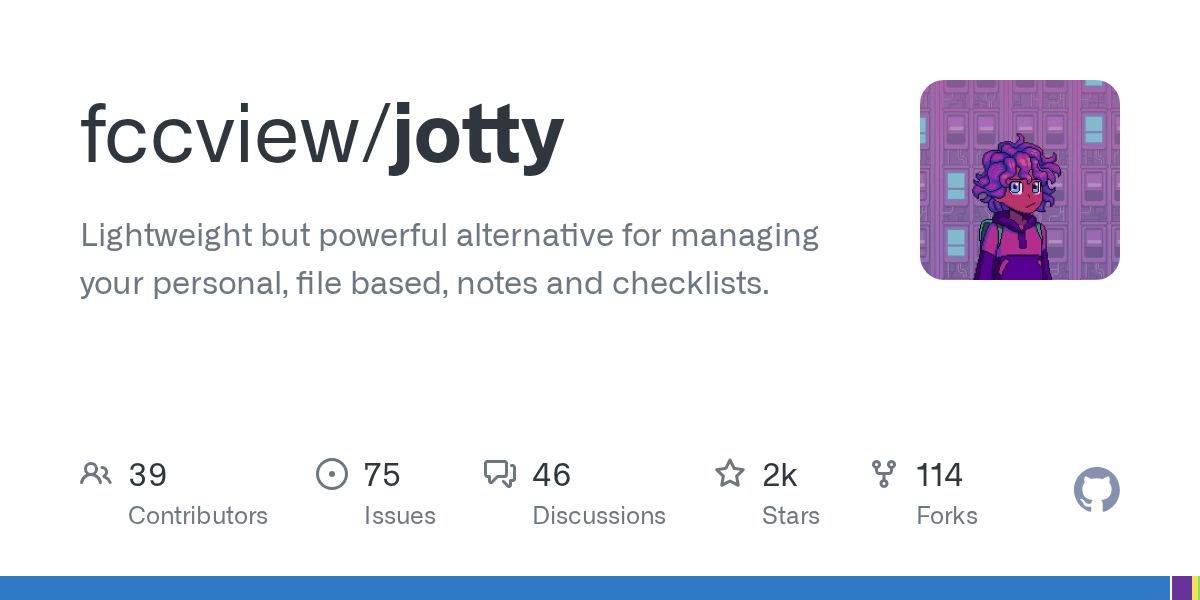
🛠️ Tool discovery
Lerd is an open-source local PHP dev environment inspired by Laravel Herd. It gives you a rootless, zero-Docker workflow on Linux, macOS, and WSL2. If you've been spinning up containers just to run a PHP project locally, try this lighter alternative.
 lerd-env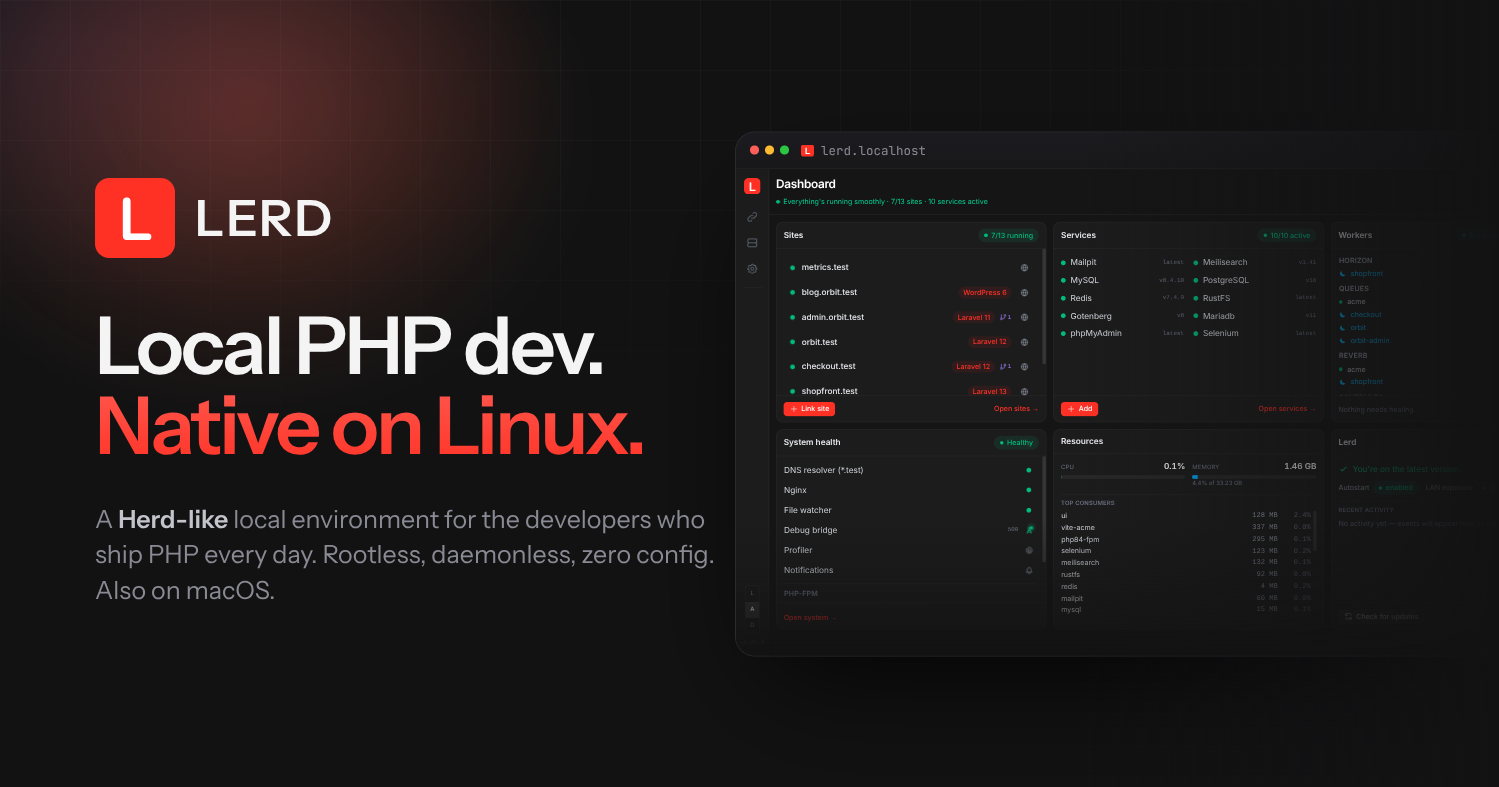
📰 Linux news that matters
- An Italian logistics company in Bergamo successfully migrated its office operations from Windows to Kubuntu LTS, Nextcloud, and Mattermost, cutting recurring licensing fees and eliminating daily workstation slowdowns without disrupting freight operations.
- Vercel’s two-week, $1 million sandbox bug bounty challenge against its Firecracker microVMs received 1,285 submissions that breached no customer data, but exposed two upstream Linux kernel networking defects causing deterministic host crashes and host memory leaks.
- Canonical developers are proposing a dedicated linux-firmware-hwe package for Ubuntu LTS releases to decouple newer hardware enablement firmware from General Availability kernels, preventing driver regressions for users staying on older kernel baselines.
- The Open Secure AI Alliance has joined the Linux Foundation to establish neutral governance for open-source AI defense tools, opening an RFC on its SAFE initiative to standardize incident reporting.
- Sidero Labs has launched Talos Enterprise Linux, introducing a commercial tier with FIPS 140-3 builds, SBOMs, and regulatory compliance artifacts while keeping the core operating system fully open source under MPL-2.0.
😂 Geek humor
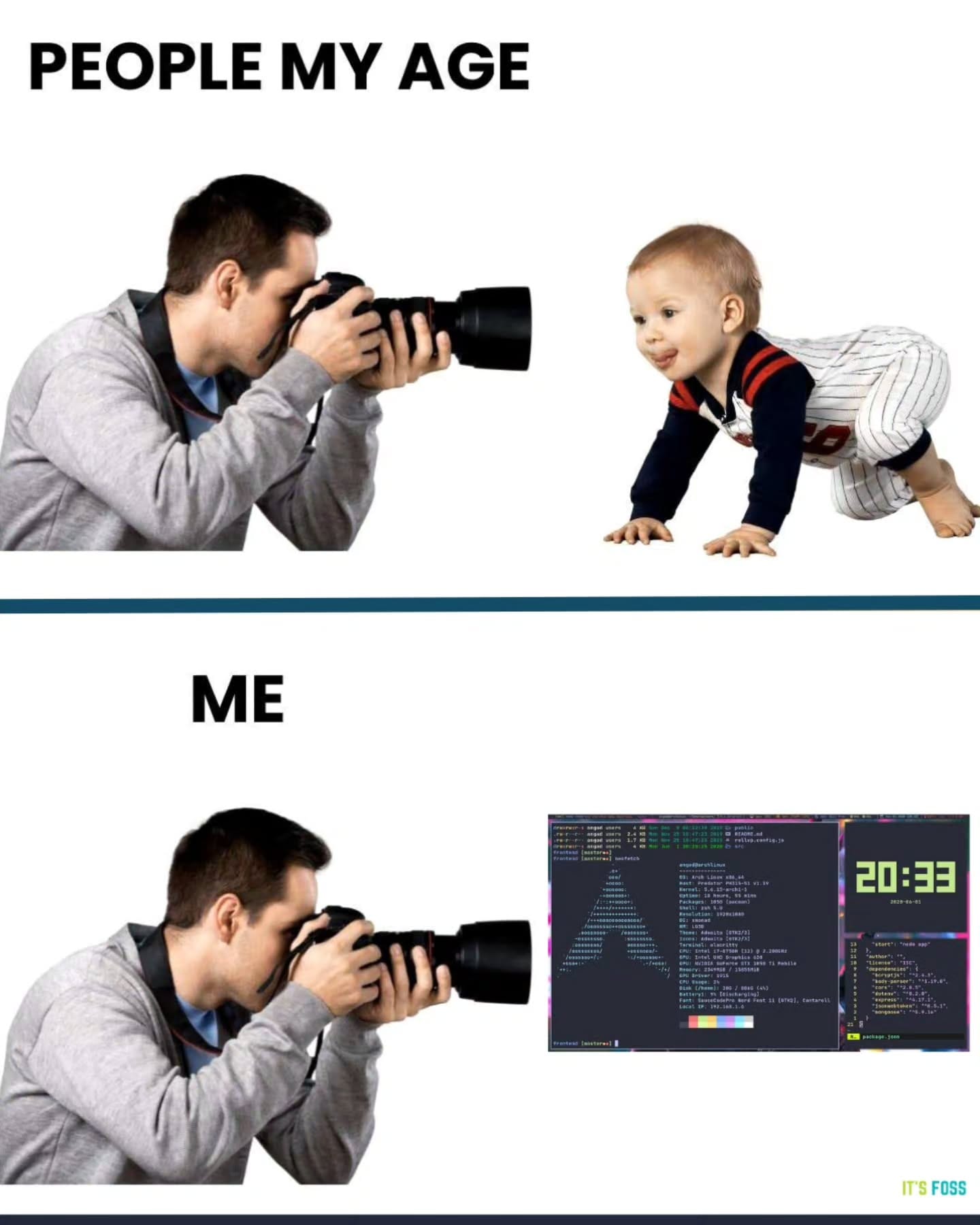
Actually, I do both ;)
💌 Keep on loving Linux Handbook
The GitOps course is nearly ready and lands next week, built on the Git basics course. Get your Pro membership now and you'll have it the moment it drops, plus unlimited access to our eBooks, courses, and every tutorial we've published.
Missed the previous editions? You can access the newsletter archives.
I like reading your messages, so just hit the reply button and share your thoughts 😄